Rethinking the old, discovering the new
In a world flooded with images, it can easily feel as though everything has already been photographed. Cities, faces, landscapes, moments — millions of them, only a click away. So how can a photographer still make something original today? Is originality in photography even possible any more?
That question sits at the centre of a great deal of creative struggle. A look back into the history — and forward into the possibilities — can bring both clarity and inspiration.
The myth: “it has all been done already”
It is true: the Eiffel Tower has been photographed from every conceivable angle. So has the Grand Canyon, Times Square, the face of a stranger in the rain. But originality in photography does not necessarily arise from what is photographed; it arises far more from the how and the why.
Originality does not mean being first. It means being authentic and visionary.
Lessons from the past: originality through vision
Some of the most significant photographers in the world did not become known because they found entirely new subjects, but because they brought a radically new way of seeing.
- Henri Cartier-Bresson turned everyday street life into art through his notion of the decisive moment. What had been ordinary became extraordinary through his lens.
- Diane Arbus photographed people who had always been there — the marginalised, the unseen — with empathy and courage. She showed something raw and human.
- Andreas Gursky used large format to make sterile, man-made spaces appear overwhelming and surreal.
- Nan Goldin turned her own intimate life and relationships into a photographic diary, a visual language full of vulnerability.
- Edward Weston photographed peppers, shells and bodies in such a way that simple forms took on the presence of abstract sculpture.
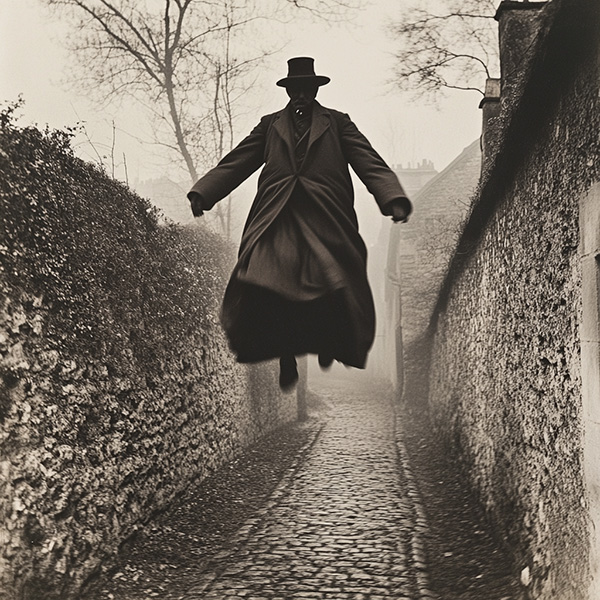
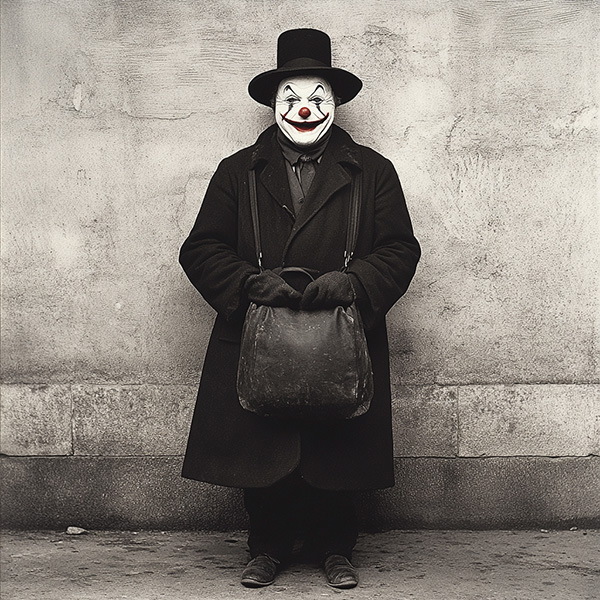
These artists did not invent new subjects. They changed the way we see the familiar.
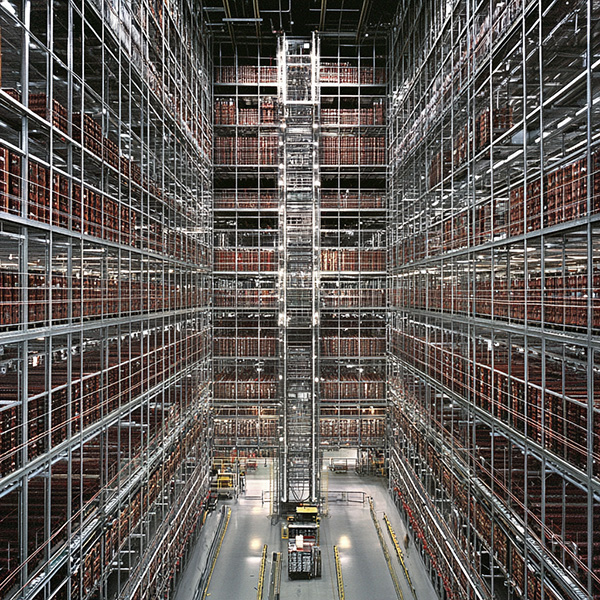
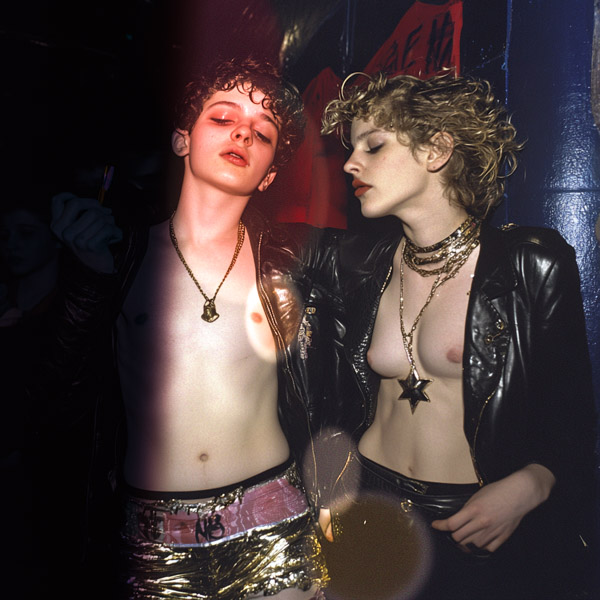
How to be original today
Here are a few ways to develop a fresh, authentic approach in your own work.
1. Go deeper rather than wider
Do not try to photograph everything. Concentrate on something personal, local or specific. Photograph a single neighbourhood for a whole year. Return to the same tree in every season. Closeness is what brings out the new.
2. Explore inner landscapes
Photography does not always have to document the outer world. How do you picture memory? Fear? Solitude? Use abstraction, double exposure or experimental techniques to make feelings visible.
3. Let other disciplines in
Combine photography with painting, video, AI, sound or performance. Think of your work as part of a larger creative ecosystem. Originality often appears at the seams between genres.
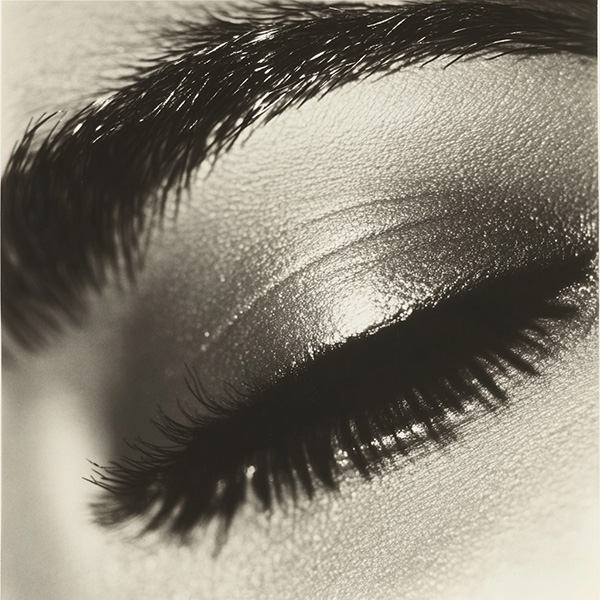
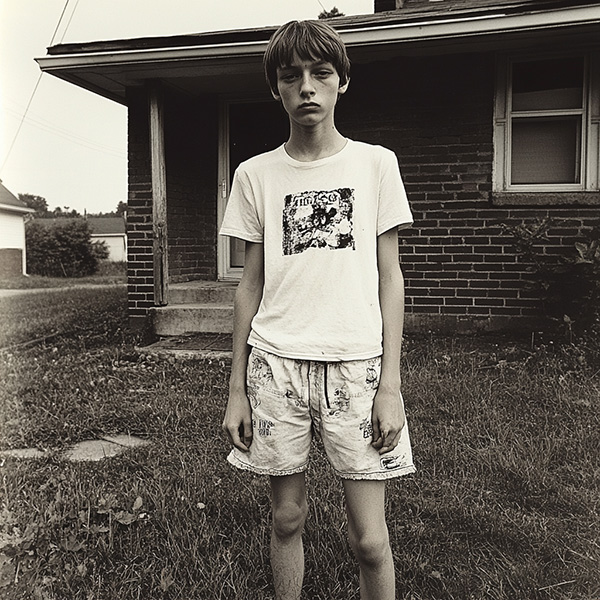
4. Question the norms
What are the “rules” of your genre? Break them. Photograph fashion in a supermarket. Use motion blur in portraits. Tell a love story using nothing but shadows and empty rooms.
5. Photograph what genuinely matters to you
Passion creates vision. If a subject truly matters to you — social justice, ecology, nostalgia, cultural identity — it will show in the work. That emotional energy cannot be copied.
Technology as a tool, not a shortcut
Smartphones, drones, 360-degree cameras and AI tools open up new possibilities, but do not mistake novelty for originality. New technology can help you experiment; it is your perspective that gives the pictures meaning.
In conclusion: originality is a way of seeing
You do not have to discover a new continent in order to make something original. You have to look at the familiar with open eyes. Originality in photography does not come from showing something never seen before, but from showing something that was always there, in a way only you can see it.
So go back to the streets, the faces and the corners you thought you knew. Perhaps you will find nothing new. But perhaps you will finally see it.