In the world of contemporary photography there are a handful of artists who have shaped our visual language decisively. With distinct signatures and pioneering methods, these five photographers redefined portrait, documentary and conceptual photography. A closer look at their work shows why it remains indispensable today.
1. Annie Leibovitz — the architect of iconic portraits
Annie Leibovitz is celebrated for her theatrical, emotionally charged portraits of celebrities, politicians and cultural icons. Her approach moves between photojournalism and art photography. Leibovitz stages her pictures like film scenes, with elaborate lighting, styling and settings.
What distinguishes her is the ability to convey both grandeur and intimacy at once: her portraits hold staging and personality in the same frame. She regards photography as a collaborative process that emerges from the exchange with her sitters. In this way the classical portrait becomes a stage for expression, imagination and cultural commentary.
2. Steve McCurry — human stories in vivid colour
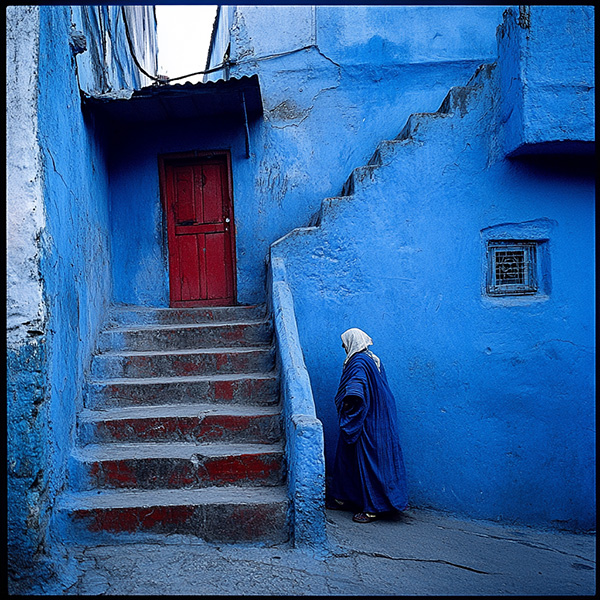
Steve McCurry is known worldwide for the iconic portrait Afghan Girl and stands for visual storytelling grounded in empathy. His photography concentrates on conflict zones and marginalised communities, always placing the individual at the centre.
McCurry’s strength lies in his masterly handling of natural light and colour. One thing is especially striking: the focus on the eyes, which form the emotional centre of many of his pictures. His images feel direct and poetic at the same time, and reveal a universal humanity.

3. Cindy Sherman — identity as a visual construct
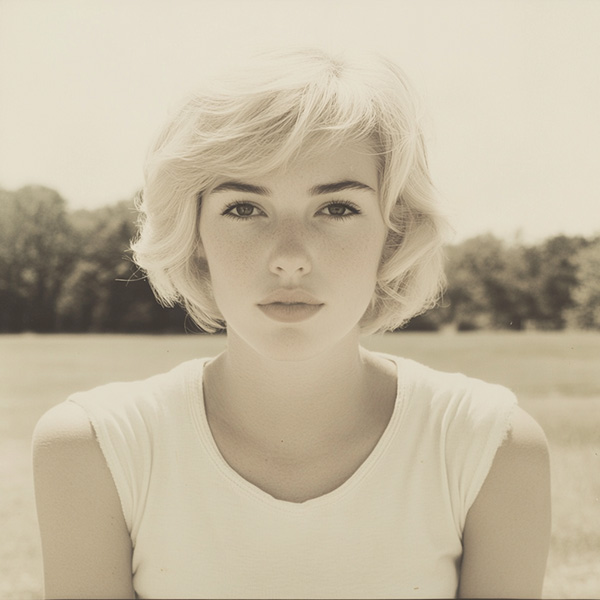
Cindy Sherman’s self-portraits are not depictions of herself but commentaries on society. In series such as Untitled Film Stills she embodies stereotypical female figures drawn from cinema and popular culture, and in doing so questions received roles and ideals of beauty.
Sherman’s approach is conceptual: she takes on the direction, styling, make-up and photography herself. Her work moves between photography, performance and social critique, and stands as a central contribution to feminist and postmodern art.
4. Andreas Gursky — the aesthetics of scale
Andreas Gursky is known for his large-format, hyper-detailed photographs of modern structures, places and systems, among them trading floors and logistics centres. His vantage points are often elevated and feel almost omniscient.
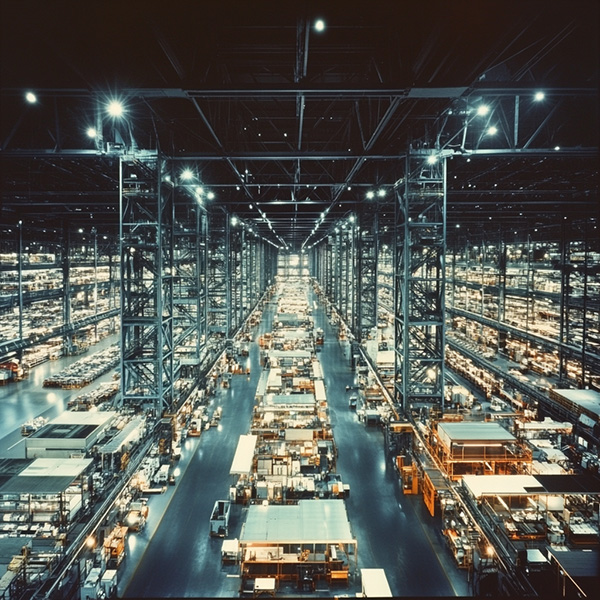
The digital post-processing of his images serves not manipulation but the intensification of visual effect. Gursky’s works are rigorously constructed and architecturally precise; they present everyday life as abstract composition and as a mirror of globalised structures.
5. Sebastião Salgado — photography as ethical testimony
Sebastião Salgado combines a classical black-and-white aesthetic with the depth of social documentary. Trained as an economist, he documents global subjects such as migration, labour and the destruction of nature in long-term projects like Workers and Genesis.
His style is rich in contrast and texture, and emotionally charged. Salgado sees himself as a visual witness whose pictures inform, move and prompt action. His photography is more than documentation: it is a moral commitment to people and to the environment.