Practical street photography tips, in the order they actually matter: where to stand, when to press the shutter, and what to do when the street gives you nothing.
Catching the pulse of the world
Street photography is one of the most honest forms of visual storytelling. It shows life as it is — raw, unposed and fleeting. At its best it is documentary and poetic at once, turning ordinary moments into work that outlasts them.
A brief look back: the rise of street photography
Street photography emerged with the arrival of portable cameras in the late nineteenth and early twentieth centuries. Once photography left the studio and went out into the street, a new kind of storytelling took shape — one built on spontaneity, observation and the quiet drama of everyday life.
Among the early figures was Eugène Atget, who documented the streets and shop windows of Paris at the beginning of the twentieth century. Although he thought of himself as an archivist rather than an artist, his atmospheric, precise photographs influenced generations of photographers who came after him.
Then came Henri Cartier-Bresson, often described as the father of modern street photography. Working with his Leica, he shaped the idea of the decisive moment — that perfect, fleeting second in which composition, emotion and timing come together. His pictures feel elegant and spontaneous, deeply human and full of nuance.
Vivian Maier, whose enormous archive was only discovered after her death, took a more introspective approach. Working as a nanny, she photographed life on the streets of Chicago and New York obsessively. Her work speaks of a curious, empathetic eye and an extraordinary sense of timing.
Others, among them Garry Winogrand, Diane Arbus, Helen Levitt and Joel Meyerowitz, widened the genre — holding on to America in all its variety, eccentricity and contradiction.
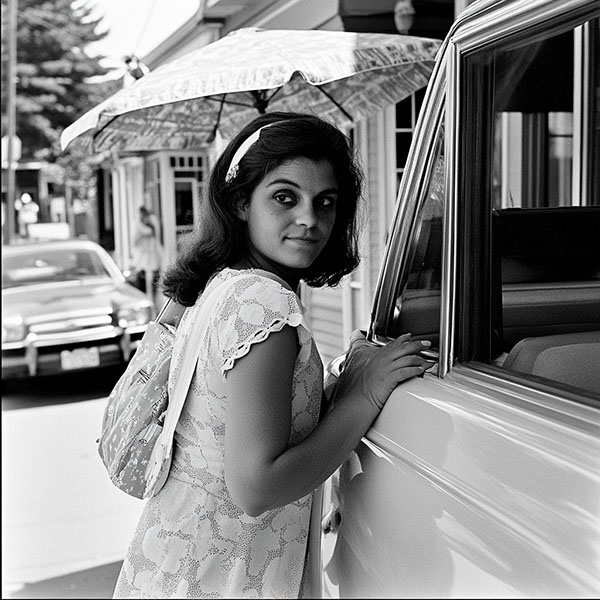
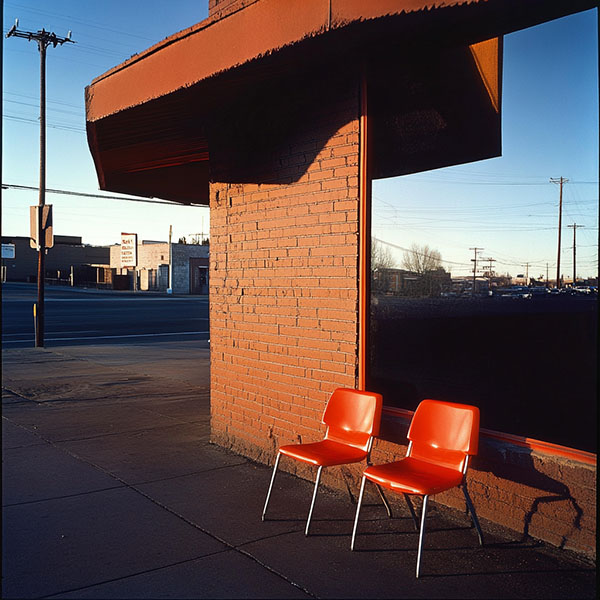
Street photography today: a living, shifting art form
In the digital age street photography is enjoying a revival. The availability of cameras and smartphones, together with platforms such as Instagram and Flickr, has carried the genre into the mainstream. Yet real art asks for more than technique — it asks for a vision.
Contemporary masters such as Trent Parke (Australia), Matt Stuart (UK), Alex Webb (USA) and Rui Palha (Portugal) continue to shape and extend the visual language of street photography. Their work brings colour, shadow, rhythm and humanity together into striking visual essays.
- Alex Webb is known for his complex, many-layered colour photographs, often chaotic and yet harmonious, mostly made in Latin America and the Caribbean.
- Matt Stuart brings humour and precise observation to the streets of London, and often finds the surreal in the everyday.
- Trent Parke gives his pictures a rough, cinematic quality and uncovers the darker sides of Australian life.
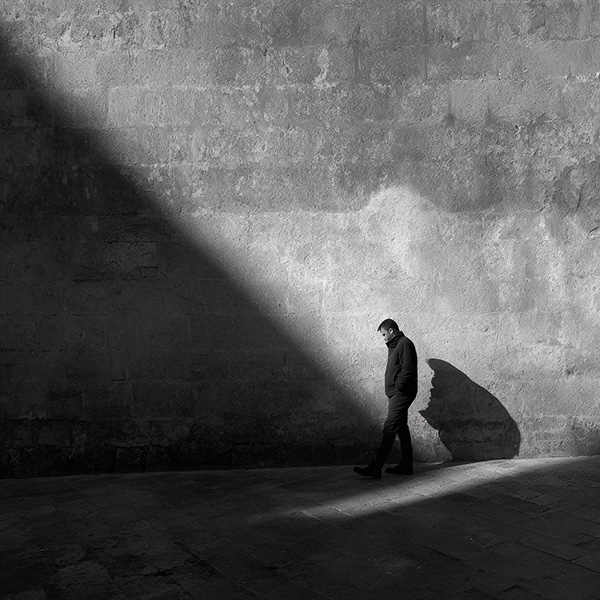
- Rui Palha, photographing mainly in Lisbon, makes emotional black-and-white images full of light, solitude and poetry.
Technology and platforms have changed, but the heart of street photography has not: to notice what goes unnoticed. To be present. To find beauty, tension or truth in the ordinary.
What makes good street photography?
Great street photography does not need exotic places or perfect conditions. It lives on awareness, timing and the power to tell a story. It shows:
- Spontaneity: the passing expression, the blur of movement, the rhythmic meeting of strangers.
- Composition: the geometry of the city, the interplay of people and space.
- Emotion: a glance, a confrontation, a quiet moment of solitude in the middle of the crowd.
- Curiosity: the wish to understand, to observe and to respect life without altering it.
A closing thought
Street photography is a democratic art form — open to everyone, and genuinely mastered by few. It asks for patience, intuition and a deep connection to the world around us.
In a single frame it can show not only a place or a person, but reveal something about being human.