An artistic travel photograph does not come simply from quickly capturing pretty subjects. It asks for intention, patience and a particular way of seeing. Here is how to lift your pictures out of the everyday and into something extraordinary.
1. Slow down and observe
Rather than racing to photograph every landmark, take the time to really see what is around you. Watch for patterns, contrasts, the play of light, or quiet moments that tell a deeper story. Art happens in the pause — when you are fully present.
2. Chase the light, not just the places
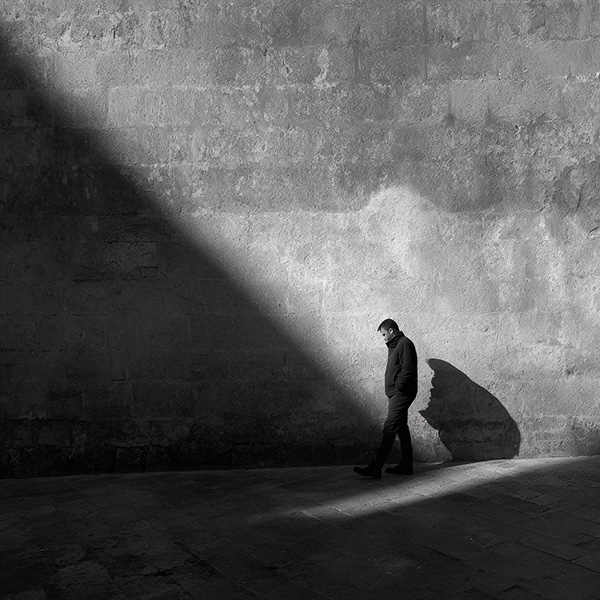
Great light makes great photographs. Early morning and late afternoon, the golden hours, often give you soft, directional light with beautiful tones and long shadows. Dramatic light can raise even an ordinary scene.
3. Tell a story
Ask yourself: what story does this place tell? What emotion does it carry? Hold on to the details that hint at the soul of a place — a texture, a gesture, a fleeting moment.
4. Let the imperfect in
Art does not have to be flawless. Do not be afraid of blur, grain or an unusual division of the frame — if they create feeling or mystery, they are welcome. Aim for emotion, not perfection.
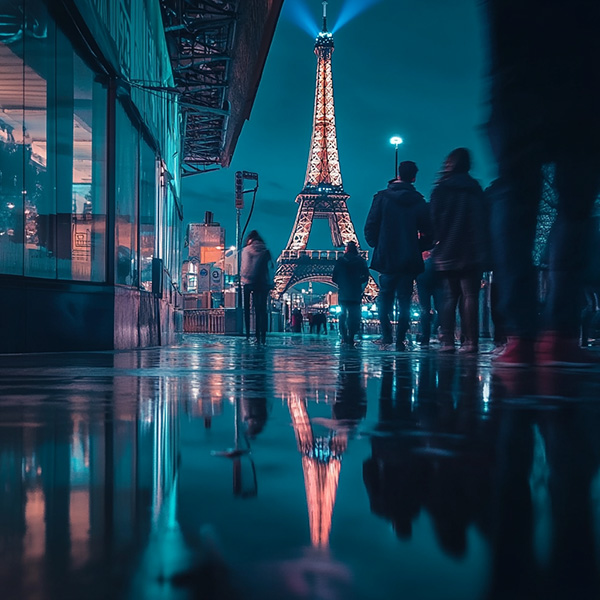
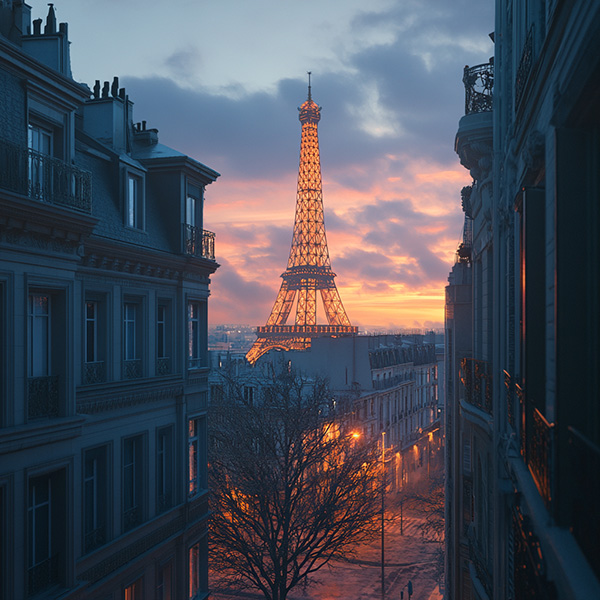
5. Use composition creatively
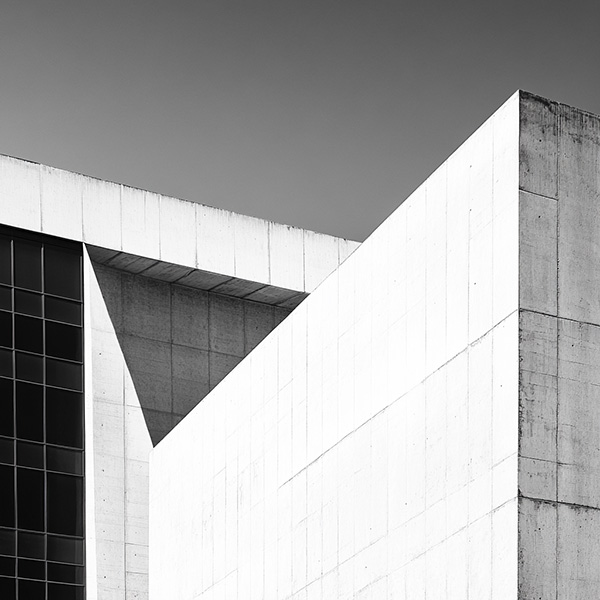
Break the rules. Or bend them. Play with negative space, reflections, leading lines, or frames made of windows and doorways. Look up, look down, look sideways. Surprise the viewer.
6. Concentrate on the unseen
Everyone photographs the Eiffel Tower. But who holds on to the hands of the street musician standing beside it? Look for what others overlook. That is where your originality lies.
7. Immerse yourself in the place
Be curious. Talk to the people who live there. Learn the rhythm of the street. That closeness often leads to more meaningful encounters — and to better pictures.
8. Carry less equipment
Sometimes one camera and one lens is enough. Less gear forces you to be creative, and makes you more mobile and more spontaneous.
9. Edit with intention
Post-processing can strengthen a mood and underline your vision. But do not overdo it — use colour, contrast and tone deliberately, to support your story rather than to impress.
10. Develop a style of your own
Study the artists you admire, but do not copy them. Experiment until you find your own voice. Which subjects fascinate you? Which colours, moods or perspectives keep returning in your work?