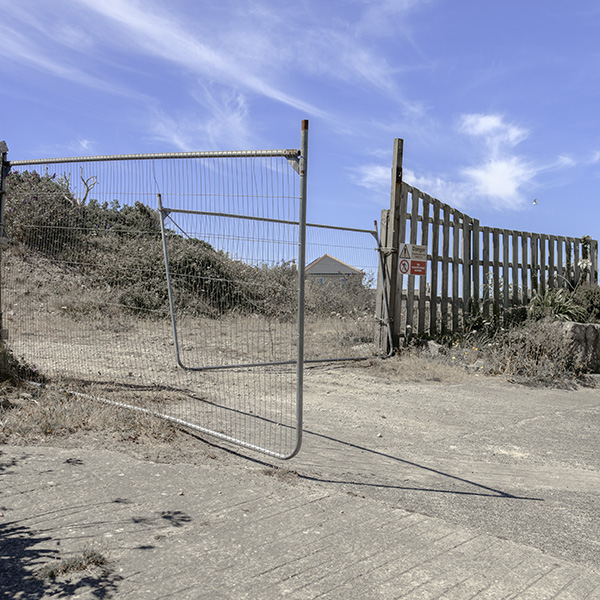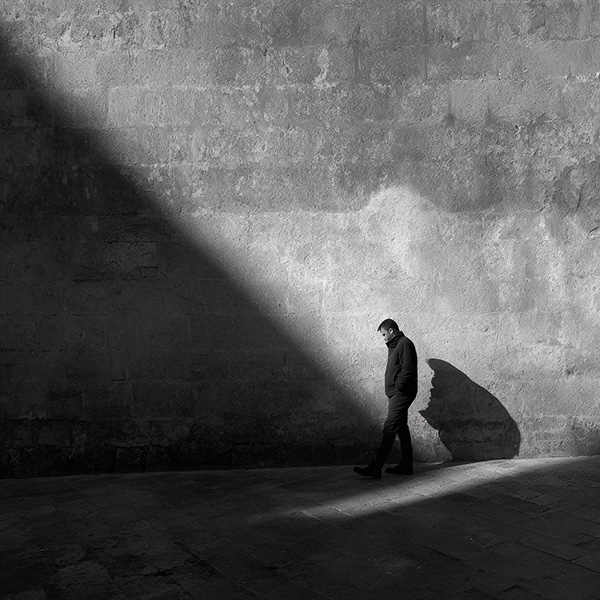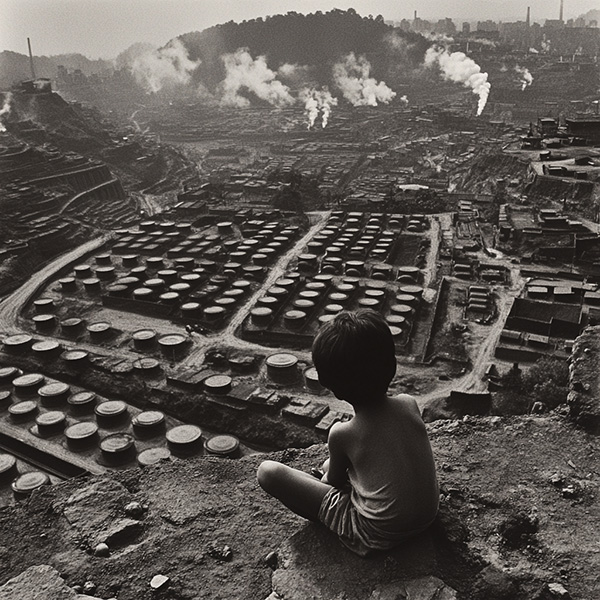
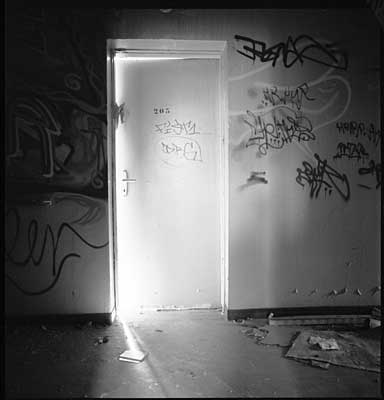
The boundaries between reality and imagination are blurring
Photography has always been a medium balanced between reality and illusion. Since its invention in the nineteenth century, photographers have tried to capture the world as it is while at the same time exploring ways of manipulating and reinterpreting it. Today, with the advances of digital technology, virtual reality (VR) in photography is redefining how we perceive images and creating immersive experiences that challenge the traditional boundaries.
A historical view: photography between actuality and illusion
When photography emerged in the 1830s with pioneers such as Louis Daguerre and Henry Fox Talbot, it was celebrated as a revolutionary means of documenting reality. The daguerreotype was regarded as an almost magical representation of the world, capturing detail with unprecedented accuracy. Before long, however, photographers began to experiment with the artistic potential of the medium.
In the early twentieth century, surrealist photographers such as Man Ray and Maurice Tabard used techniques like solarisation and photomontage to build dreamlike compositions. Their work showed that photography could go beyond mere depiction and move into the territory of imagination and abstraction. That tradition continued with digital photography and Photoshop, extending the possibilities of photographic illusion further still.
The rise of virtual reality in photography
The twenty-first century has produced an entirely new dimension in photography: virtual reality. Unlike traditional photography, which captures a single perspective, VR photography places the viewer inside a 360-degree environment and lets them experience the image as though they were physically present. That transformation has been made possible by technologies such as 3D modelling, photogrammetry and AI-generated imagery.
Photographers such as Chris Milk have advanced VR storytelling, creating emotional experiences through immersive photography. His project Clouds Over Sidra (2015), a VR documentary about a Syrian refugee, showed how virtual reality can call up empathy by placing the viewer inside another person’s world. In a similar way, Google’s VR platform has allowed users to explore famous landmarks through high-resolution 360-degree images, changing how we experience places we may never visit in person.
Virtual dreamworlds: where VR meets art
Beyond documentary and commercial applications, VR photography opens new artistic possibilities. Some contemporary photographers combine VR with surrealism, building digital dreamscapes that break the limits of physical reality. Artists such as Erik Johansson use advanced compositing techniques to construct impossible landscapes — close to the surrealist tradition, but now extended by digital tools.
At the same time, AI-generated photography, such as the work of Mario Klingemann, calls our understanding of authorship and creativity into question. These images exist in an intermediate space between human perception and machine interpretation, blurring the line between reality and fiction further still.
The future of photography in a virtual world
As technology advances, the boundary between traditional photography and virtual imagery will blur increasingly. Augmented reality (AR) and extended reality (XR) will alter the photographic experience further and allow us to interact with images in entirely new ways. Will photography remain a representation of reality, or will it develop into something altogether new — an art form in which the real and the virtual coexist?
One thing is certain: photography will keep evolving, adapting to new tools and new perspectives, and in doing so it will keep challenging our understanding of what an image can be. Whether it captures the tangible world or creates entirely new ones, the photographer’s task remains the same: to make meaning through light, composition and vision, regardless of whether the world being held is real or imagined.