Portrait photography is more than fixing a face. It is about telling a story, calling up emotion, and uncovering the character of the person in front of the lens. Yet what defines a fine-art portrait? Does it require a photographic style unlike anyone else’s, or does it rest on the bond between photographer and model? These notes trace what makes portraiture an art form, look back at its history, and ask what it means now.
What makes a portrait a work of art?
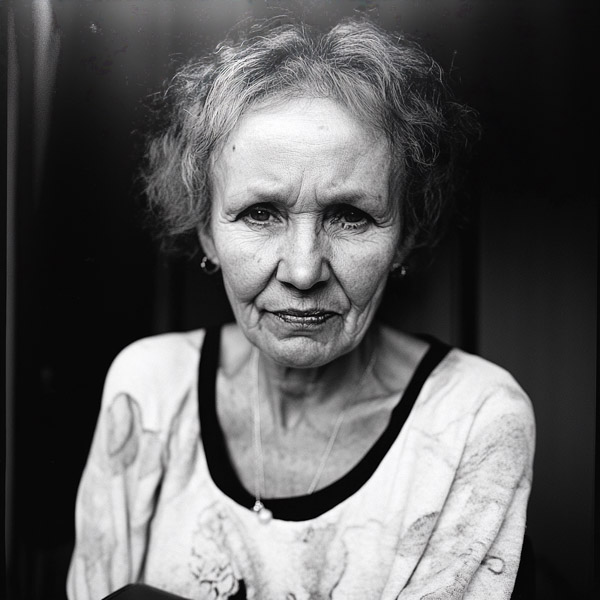
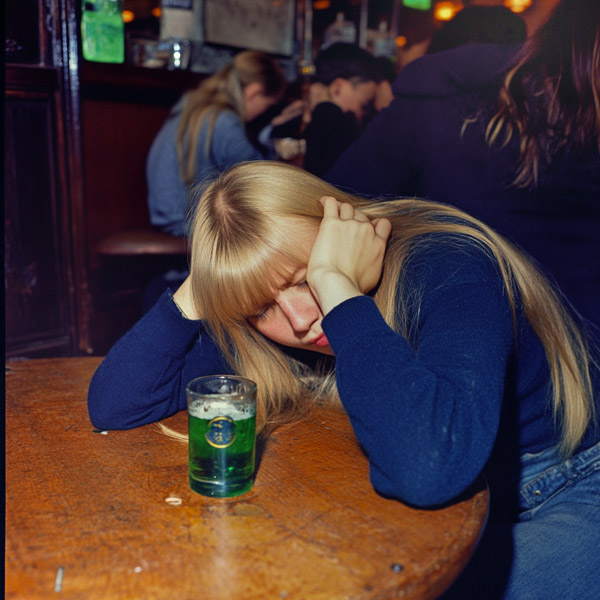
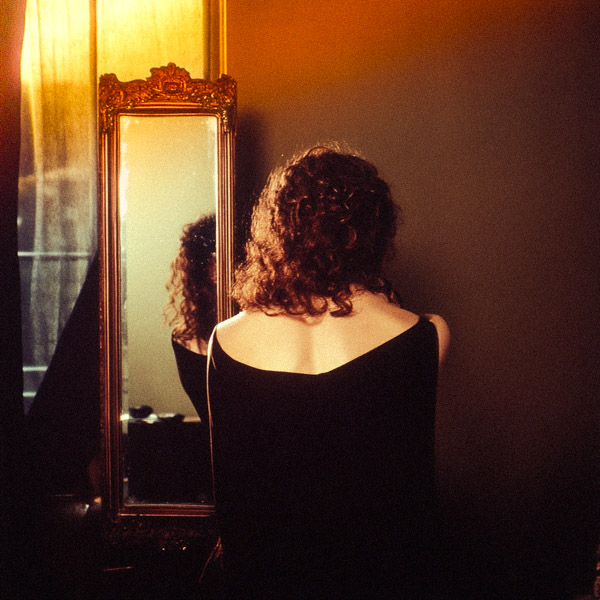
A fine-art portrait reaches beyond documentation. It reflects the vision, emotion and creativity of the photographer while capturing the essence of the sitter. Where conventional portraits tend to rely on technical perfection and flattering composition, fine-art portraits cross those boundaries. They may draw on unusual lighting, abstract elements or dramatic composition in order to make something singular and thought-provoking.
The photographer’s style: a defining feature?
Technical ability counts, of course, but a fine-art portrait is frequently defined by the photographer’s individual style. A signature that cannot be mistaken — whether in composition, in colour, or in the manner of telling — is what marks out the significant artists. A good many celebrated portraitists are identifiable immediately by their style. Developing one’s own visual idiom takes time and an appetite for experiment, but it is essential to artistic expression.
Understanding the sitter: a decisive step
Establishing a connection with the model matters enormously in fine-art portraiture. The more a photographer comes to know of a person’s character, feelings and history, the more authentic and expressive the final image will be. Some photographers hold long conversations before the shoot; others simply observe in silence and allow the sitter to unfold naturally. The process helps produce portraits that go beyond the surface and convey character and depth.
When does a portrait become art?
A portrait turns artistic at the point where it offers more than a likeness. It ought to call up emotion, provoke thought, or tell a deeper story. Composition, light, colour and expression all play a part in that transformation. A technically perfect photograph without depth can feel artistically irrelevant, whereas an imperfect but emotionally powerful picture may be regarded as a masterpiece.
How much time does it take to capture character and emotion?
The time required for a fine-art portrait differs from case to case. Some photographers seize a remarkable moment within minutes; others work for hours, or across several sessions. Patience and a gift for observation are decisive — the most expressive portraits frequently emerge from waiting for the right gesture, the right play of the face, the right movement.
Studio or outdoor portraits: which is better?
Each setting has its advantages. A studio permits complete control over light and background and allows a creative vision to be carried out precisely. Outdoor or environmental portraits, on the other hand, tell an additional story through their surroundings and give the image more context and atmosphere. The decision follows from the aesthetic being sought and from the message the portrait is meant to carry.
Documentary style: can it be artistic?
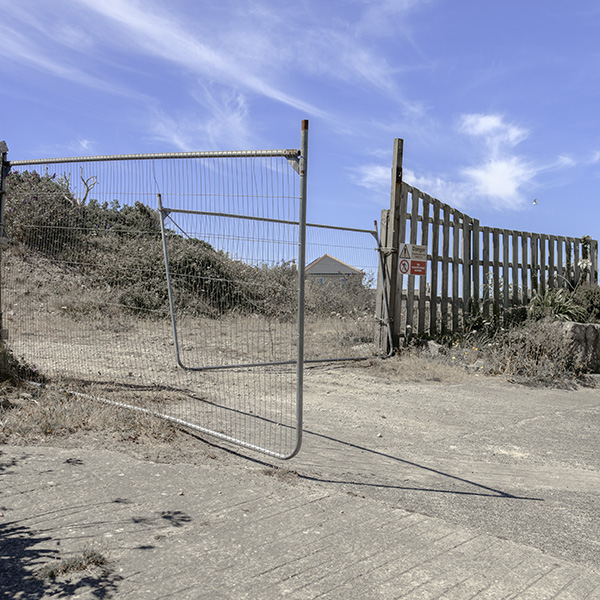
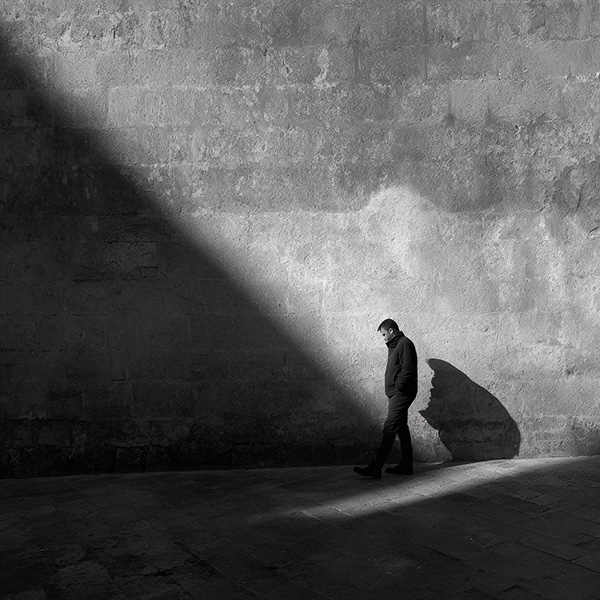
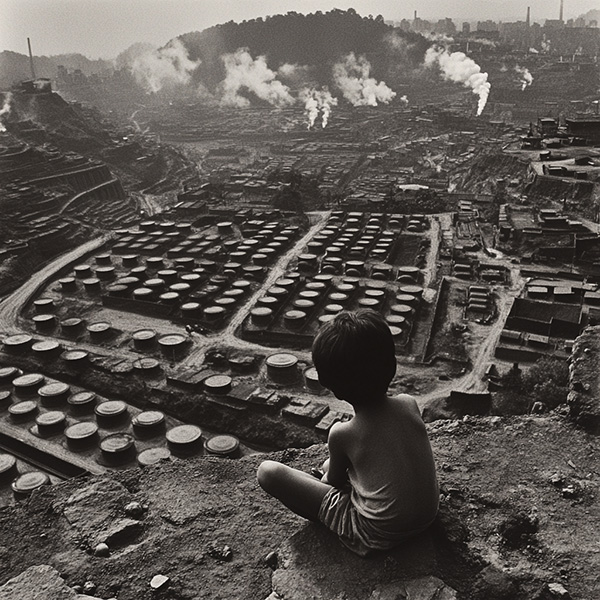
It can. Street photography and documentary portraits are capable of being art. Many photographers record unplanned, authentic moments in the natural surroundings of their subject and create striking visual narratives in doing so. The deciding factors lie in the composition of the image, in the timing, and in the emotional effect of the photograph.
The evolution of fine-art portraiture
Fine-art portraiture has altered considerably over the centuries. In the nineteenth century, Julia Margaret Cameron lent her portraits a painterly quality through soft focus and dramatic lighting. In the twentieth, Richard Avedon and Irving Penn transformed portraiture with minimalist, high-contrast images. Diane Arbus brought psychological depth to her work by portraying outsiders and unconventional people. Today, photographers such as Annie Leibovitz and Nadav Kander set fresh standards with bold, conceptual and editorial portraits.
Editorial portraits: art or craft?
Editorial portraits, often made for magazines, move along the boundary between art and commercial work. While some are purely functional, many possess a high artistic quality, uniting strong composition, control of light and a sense of narrative. The finest editorial portraits stand on their own as forms of artistic expression.
The future of fine-art portraiture
Digital tools and AI technologies continue to develop portraiture, yet the fundamental artistic principles remain in place. Techniques may shift, but the power of a well-conceived portrait that captures emotion and character will always endure.
Conclusion
Fine-art portraiture is a merging of vision, technique and human connection. Whether in the studio, on the street or in a documentary context, an expressive portrait goes beyond simple depiction. It tells a story, calls up emotion, and leaves a lasting impression. In the hands of a gifted photographer, portrait photography is not merely a craft — it is art.